

The Ultimate Guide to Brewing Beer at Home: Step-by-Step Instructions for Beginners
Brewing beer at home is a rewarding and enjoyable hobby that allows you to create custom flavors and styles tailored to your taste. Whether you’re a beer enthusiast or just looking for a new project, this comprehensive guide will walk you through the entire process, from selecting ingredients to bottling your finished brew. Let’s dive into the world of homebrewing!

Table of Contents
- Understanding Beer Basics
- The Brewing Process
- Types of Beer
- Essential Equipment for Homebrewing
- Basic Equipment Needed
- Optional Equipment for Advanced Brewing
- Choosing Ingredients
- Malts
- Hops
- Yeast
- Water
- The Brewing Process
- Step 1: Sanitization
- Step 2: Brewing the Wort
- Step 3: Fermentation
- Step 4: Bottling
- Tips for Successful Brewing
- Troubleshooting Common Issues
- Exploring Advanced Techniques
- Conclusion
1. Understanding Beer Basics
The Brewing Process
Brewing beer involves several fundamental steps: mashing, boiling, fermenting, conditioning, and bottling. Each stage is crucial to developing the beer’s flavor, aroma, and clarity.
Types of Beer
Beer can be broadly categorized into two main types: ales and lagers. Ales are fermented at warmer temperatures and typically have a fruity flavor, while lagers are fermented at cooler temperatures, resulting in a crisp, clean taste.
2. Essential Equipment for Homebrewing
Before you start brewing, you’ll need to gather the necessary equipment. While some items are essential, others can enhance your brewing experience.
Basic Equipment Needed
- Brew Kettle: A large pot, preferably at least 5 gallons, for boiling the wort.
- Fermentation Vessel: A food-grade plastic bucket or glass carboy with an airlock.
- Sanitizer: Essential for cleaning all equipment to prevent contamination.
- Thermometer: To monitor the temperature during brewing and fermentation.
- Hydrometer: To measure the specific gravity of your wort and determine alcohol content.
- Bottles and Caps: For storing your finished beer.
Optional Equipment for Advanced Brewing
- Kegging System: For those who prefer draft beer.
- Wort Chiller: To cool the wort quickly after boiling.
- Grain Mill: If you prefer to buy whole grains.
3. Choosing Ingredients
The quality of your beer is largely determined by the ingredients you use. Understanding these components is key to crafting your perfect brew.
Malts
Malt provides the sugars needed for fermentation. There are various types, such as base malts (like Pale Ale or Pilsner) and specialty malts (like Caramel or Chocolate), which add color and flavor.
Hops
Hops add bitterness and aroma to beer. Different hop varieties impart distinct flavors, ranging from floral and citrusy to earthy and spicy. They are typically added during the boil and at different times to achieve varying effects.
Yeast
Yeast is the microorganism responsible for fermentation, converting sugars into alcohol and carbon dioxide. Choose between ale yeast (top-fermenting) and lager yeast (bottom-fermenting) based on the beer style you’re brewing.

Water
Water quality is crucial for brewing. Tap water is usually sufficient, but filtered or bottled water can help improve taste, especially if your tap water has strong flavors or impurities.
4. The Brewing Process
Now that you have your equipment and ingredients ready, it’s time to brew! Follow these steps carefully for a successful batch.
Step 1: Sanitization
Sanitization is critical in homebrewing. All equipment that comes into contact with your beer must be thoroughly sanitized to avoid contamination. Use a no-rinse sanitizer for convenience.
Step 2: Brewing the Wort
- Heat Water: Start by heating about 3 gallons of water in your brew kettle.
- Mash the Grains: Once heated, add your crushed grains to the water, maintaining a temperature of around 150°F for about 60 minutes. This process extracts sugars.
- Sparging: After mashing, rinse the grains with hot water (170°F) to extract more sugars. Collect the liquid, known as wort.
Step 3: Fermentation
- Boil the Wort: Bring the wort to a boil and add hops according to your recipe. Boil for about 60 minutes, adding hops at different times for flavor and bitterness.
- Cool the Wort: After boiling, cool the wort rapidly using a wort chiller or an ice bath.
- Transfer to Fermentation Vessel: Pour the cooled wort into your sanitized fermentation vessel.
- Add Yeast: Sprinkle the yeast on top of the wort and seal the vessel with an airlock.
Step 4: Bottling
After about 1-2 weeks of fermentation, it’s time to bottle your beer.
- Prepare Bottles: Clean and sanitize your bottles and caps.
- Siphon the Beer: Use a siphon to transfer the beer from the fermentation vessel to the bottles, leaving about an inch of headspace.
- Add Priming Sugar: Dissolve priming sugar in boiling water and add it to the bottles to carbonate your beer.
- Cap the Bottles: Seal each bottle with a cap and store them in a cool, dark place for another 1-2 weeks.
5. Tips for Successful Brewing
- Keep a Brew Log: Document your brewing process, ingredients, and any adjustments made for future reference.
- Experiment with Recipes: Don’t be afraid to modify recipes to suit your taste.
- Patience is Key: Allow enough time for fermentation and conditioning. Rushing can lead to undesirable flavors.
6. Troubleshooting Common Issues
- Off Flavors: These can stem from poor sanitation, old ingredients, or incorrect fermentation temperatures.
- Low Carbonation: Ensure you added the right amount of priming sugar and check for leaks in the bottles.
- Slow Fermentation: This can be caused by low temperatures or inactive yeast.
7. Exploring Advanced Techniques
Once you’re comfortable with the basics, consider exploring advanced brewing techniques such as:
- All-Grain Brewing: This involves mashing your own grains instead of using malt extract.
- Experimenting with Yeast: Different strains can dramatically alter the flavor and aroma of your beer.
- Barrel Aging: For complex flavors, consider aging your beer in oak barrels.
8. Conclusion
Homebrewing is not just a craft; it’s a journey filled with discovery, creativity, and enjoyment. By following this guide, you can embark on your own brewing adventure, crafting unique beers that reflect your personal tastes. Remember to have fun, experiment, and, most importantly, enjoy the fruits of your labor with friends and family. Cheers to your brewing success!

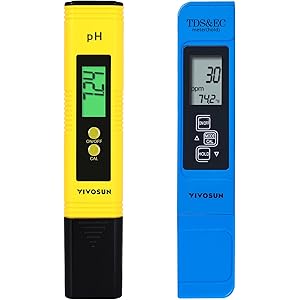
VIVOSUN Digital pH and TDS Meter Kits, 0.01pH High Accuracy Pen Type pH Meter ± 2% Readout Accuracy 3-in-1 TDS EC Temperature Meter for Hydroponics, Pool and Aquarium, Yellow Blue, UL Certified
$15.19 (as of 02/02/2026 13:52 GMT -03:00 - More infoProduct prices and availability are accurate as of the date/time indicated and are subject to change. Any price and availability information displayed on [relevant Amazon Site(s), as applicable] at the time of purchase will apply to the purchase of this product.)
Receive tips, news and exclusive offers! Sign up for our newsletter now!


