
Does Kveik Need a Starter? Everything You Need to Know

Kveik yeast has gained immense popularity in the brewing community due to its unique characteristics, including high-temperature tolerance, rapid fermentation, and distinctive flavor profiles. Originating from traditional Norwegian farmhouse brewing, Kveik is a versatile yeast that can thrive in conditions where other yeast strains would struggle. However, one question frequently arises among brewers: does Kveik need a starter?
In this comprehensive guide, we’ll explore what yeast starters are, how Kveik yeast differs from traditional strains, and whether or not making a starter is necessary for brewing with Kveik. We’ll also discuss scenarios where using a yeast starter might still be beneficial, and practical tips to get the best out of this robust yeast strain.
What is a Yeast Starter?
A yeast starter is a small batch of wort (unfermented beer) that is used to propagate yeast cells before adding them to the main batch of beer. The main purpose of a yeast starter is to increase the number of viable yeast cells to ensure a healthy and vigorous fermentation. Starters are often recommended for brewing high-gravity beers, lagers, or any time older yeast with lower viability is used. By allowing the yeast to multiply in a controlled environment, a starter can help prevent sluggish fermentation and improve the overall quality of the beer.
Characteristics of Kveik Yeast
To understand whether a yeast starter is needed, it is crucial to look at the distinctive features of Kveik yeast. These characteristics set it apart from conventional ale and lager yeasts:
- High Temperature Tolerance
Kveik yeast can ferment at temperatures ranging from 68°F (20°C) up to 104°F (40°C), and even higher in some cases. This is far beyond the typical range for most ale yeasts (64°F to 72°F) and lager yeasts (45°F to 55°F). The ability to ferment at high temperatures reduces the risk of bacterial contamination and speeds up the brewing process. - Rapid Fermentation
Known for its fast fermentation speed, Kveik can often complete primary fermentation within 48 to 72 hours. Traditional ale yeasts may take a week or longer to reach the same level of attenuation. - High Viability and Robustness
Kveik yeast maintains high viability even after extended storage. This is partly due to its historical use in Norwegian farmhouse brewing, where it was dried and stored for months between batches. Its resilience allows it to perform well without requiring the high cell counts that other yeasts might need. - Flavor Profiles
Kveik yeast can produce a wide range of flavor profiles, from fruity and citrusy esters to spicy phenols, depending on the fermentation temperature and yeast strain used. The temperature at which Kveik is fermented can significantly influence the final flavor characteristics. - High Alcohol Tolerance
Many Kveik strains can withstand alcohol levels of up to 16%, making them suitable for brewing high-gravity beers.

Given these characteristics, Kveik yeast is often seen as more forgiving and easier to work with compared to traditional yeast strains. But does that mean you should never use a starter with Kveik? Let’s explore further.
When to Use a Yeast Starter with Kveik
While Kveik yeast is generally resilient and adaptable, there are situations where a yeast starter can still be beneficial. Here are some scenarios in which making a yeast starter with Kveik yeast may be advisable:
1. High-Gravity Beers
When brewing high-gravity beers with an original gravity (OG) above 1.065, the wort contains a lot of sugar that needs to be fermented. High-alcohol content can stress the yeast, potentially leading to stalled fermentation or the production of off-flavors. Even though Kveik yeast has a high alcohol tolerance, providing an increased yeast cell count through a starter can help ensure a cleaner fermentation and reduce stress on the yeast.
2. Older Kveik Yeast
If the Kveik yeast being used is old, especially if it has been stored as a liquid culture for an extended period, the viability of the yeast may be reduced. While Kveik is robust, using a yeast starter in this case can help revive the yeast, allowing for a healthier fermentation. A starter gives the older yeast a chance to propagate and regenerate before being pitched into the main batch.
3. Low Pitch Rate Situations
When brewing larger batches (more than 10 gallons), or when the yeast pitch rate is lower than recommended, a yeast starter can help increase the number of yeast cells. While Kveik can handle low pitch rates better than other yeast strains, providing the yeast with a boost through a starter may still be beneficial, especially if you want to avoid any fermentation lag time.

4. Cold Fermentation Experiments
Though Kveik yeast is best known for high-temperature fermentation, some brewers experiment with fermenting it at lower temperatures (around 64°F or 18°C). In these cases, yeast activity can be slower, and using a starter may help the yeast acclimate to the cooler conditions, ensuring a strong and healthy fermentation.
When You Can Skip the Yeast Starter
For many brewing situations, Kveik yeast is resilient enough to forego the use of a starter. Here’s when you can confidently skip the starter and pitch the yeast directly into the wort:
1. Standard Gravity Beers
If you are brewing a beer with an OG of 1.065 or lower, Kveik yeast can typically ferment without the need for a starter. The natural resilience of Kveik, combined with its ability to handle a wide range of conditions, makes it well-suited for direct pitching in standard-strength beers.
2. Fresh or Recently Harvested Kveik
When using fresh or recently harvested Kveik yeast, its viability is usually high enough to allow for direct pitching. The yeast cells are typically healthy and active, making a starter unnecessary. Similarly, Kveik that has been stored in dry form often maintains a high level of viability.
3. Dry Kveik Yeast
Kveik yeast in dry form is generally packaged with a high cell count, allowing it to be pitched directly into the wort. The drying process preserves the yeast’s viability, which means that a starter is usually not needed for most homebrew batches.
4. Smaller Batch Sizes
If you are brewing a small batch of beer (5 gallons or less), Kveik yeast’s robust nature makes it suitable for direct pitching. The smaller batch volume reduces the yeast population required, and Kveik can still ferment efficiently under these conditions.
Best Practices for Using Kveik Yeast
Whether or not you choose to use a yeast starter, there are some best practices that can help you achieve the best possible results when brewing with Kveik yeast:

- Choose the Right Fermentation Temperature
Kveik yeast can ferment over a wide range of temperatures, with warmer conditions often resulting in more pronounced fruity esters and cooler temperatures leading to cleaner profiles. Choose the temperature based on the flavor profile you want to achieve. - Oxygenate the Wort
While Kveik can ferment with minimal oxygen, oxygenating the wort, especially for high-gravity beers, can help ensure a vigorous fermentation. - Proper Storage
If storing Kveik yeast for future use, it is important to keep it dry and in a cool place. Many brewers will dry the yeast on parchment paper and store it in airtight containers. - Re-Pitching Kveik
One of the benefits of Kveik is that it can be re-pitched multiple times. It often becomes more vigorous with each re-pitch. Ensure that you follow proper sanitation procedures to avoid contamination when harvesting and storing the yeast.
Comparing Kveik to Traditional Yeast Strains
Traditional yeast strains typically have different requirements compared to Kveik yeast. Here’s how Kveik compares to common ale and lager yeast strains:
- Fermentation Speed: Kveik yeast ferments much faster, often completing primary fermentation within 2-3 days, whereas traditional ale yeasts may take up to a week.
- Temperature Flexibility: Kveik can ferment in temperatures as high as 104°F (40°C), while most ale yeasts have an optimal range between 64°F (18°C) and 72°F (22°C).
- Pitch Rate Requirements: Kveik can ferment well even with a lower pitch rate, while traditional yeasts may require higher pitch rates to avoid off-flavors.
- Stress Resistance: Due to its high alcohol tolerance and robustness, Kveik can ferment high-gravity worts without suffering as much stress compared to conventional yeast.
Should You Use a Starter for Kveik? Summary
The decision to use a starter with Kveik yeast depends largely on the specific circumstances of your brewing project. For most standard-gravity beers, smaller batches, and fresh or dry Kveik, a starter is not necessary. The yeast’s inherent resilience, high viability, and rapid fermentation capabilities make it suitable for direct pitching in these situations.
However, if you’re dealing with high-gravity beers, older yeast, or low pitch rates, a starter can help ensure a healthier fermentation by increasing the yeast population. In colder fermentation experiments, a yeast starter may also help in acclimating the yeast to lower temperatures.

Ultimately, Kveik’s forgiving nature allows for a more flexible approach to brewing, making it a great choice for both new and experienced brewers. Whether you choose to use a yeast starter or not, Kveik yeast can help you craft a variety of flavorful beers with minimal effort.
Final Thoughts
Kveik yeast is a game-changer in the world of homebrewing, offering brewers the opportunity to experiment with high temperatures, unique flavor profiles, and rapid fermentation. While the yeast’s robust nature often eliminates the need for a starter, certain brewing scenarios can still benefit from the use of one. Understanding when to use a starter can help you maximize the performance of Kveik and brew consistently great beer.
Experimenting with Kveik yeast is one of the best ways to learn more about this versatile strain and unlock its full potential in your brewing projects. Whether you use a starter or pitch directly, Kveik’s adaptability and unique qualities make it an excellent addition to any brewer’s toolkit.
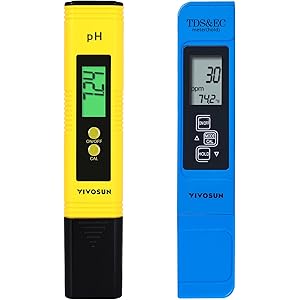
VIVOSUN Digital pH and TDS Meter Kits, 0.01pH High Accuracy Pen Type pH Meter ± 2% Readout Accuracy 3-in-1 TDS EC Temperature Meter for Hydroponics, Pool and Aquarium, Yellow Blue, UL Certified
$15.99 (as of 31/01/2026 13:50 GMT -03:00 - More infoProduct prices and availability are accurate as of the date/time indicated and are subject to change. Any price and availability information displayed on [relevant Amazon Site(s), as applicable] at the time of purchase will apply to the purchase of this product.)
Receive tips, news and exclusive offers! Sign up for our newsletter now!