Understanding Kombucha and Its Alcohol Content
Kombucha is a fermented tea beverage that has gained popularity for its potential health benefits and unique flavor profile. One common question among consumers is, “Can you get drunk from kombucha?” This inquiry arises from the fermentation process, which produces a small amount of alcohol. Typically, commercially available kombucha contains less than 0.5% alcohol by volume (ABV), making it non-alcoholic by legal standards in many countries. However, homemade versions may have higher alcohol content, depending on fermentation time and conditions.

The Fermentation Process of Kombucha
The fermentation of kombucha involves a symbiotic culture of bacteria and yeast (SCOBY) that converts sugars into various compounds, including alcohol and acetic acid. During this process, the yeast ferments the sugars present in the tea, producing alcohol as a byproduct. The extent of fermentation can vary significantly, which is why some batches may have a higher alcohol content than others. Understanding this process is crucial for those wondering about the intoxicating effects of kombucha.
Alcohol Content in Commercial Kombucha
Most commercial kombucha brands are carefully regulated to ensure that their products remain below the 0.5% ABV threshold. This level is considered safe for consumption by individuals who wish to avoid alcohol. Brands often use pasteurization or filtration methods to limit alcohol production during fermentation. Therefore, while kombucha does contain trace amounts of alcohol, it is unlikely to cause intoxication when consumed in typical serving sizes.
Homemade Kombucha and Its Risks
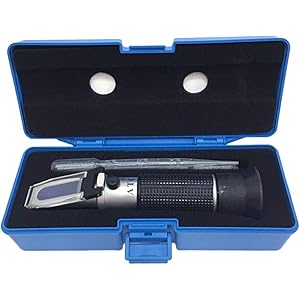
When brewing kombucha at home, the alcohol content can vary widely. Factors such as fermentation time, temperature, and the amount of sugar used can all influence the final alcohol level. Some home brewers may inadvertently create kombucha with higher alcohol content, potentially leading to intoxication if consumed in large quantities. It is essential for home brewers to monitor their fermentation process closely and test the alcohol levels if they are concerned about the effects.
Legal Definitions of Alcoholic Beverages
In many jurisdictions, beverages containing more than 0.5% ABV are classified as alcoholic drinks. This legal definition is significant for consumers who are mindful of their alcohol intake. While most commercially available kombucha falls below this threshold, it is important to read labels and understand the product’s alcohol content, especially for those who may be sensitive to alcohol or are avoiding it for personal reasons.
Get more content like this!
Sign up to receive updates and new terms first hand.
Health Benefits of Kombucha
Despite concerns about alcohol content, kombucha is often praised for its potential health benefits. It is rich in probiotics, which can aid digestion and support gut health. Additionally, kombucha contains antioxidants that may help combat oxidative stress in the body. These benefits contribute to its popularity as a health drink, even among those who are cautious about alcohol consumption.
How to Enjoy Kombucha Responsibly
For those who enjoy kombucha but are concerned about its alcohol content, moderation is key. Consuming kombucha in reasonable amounts, such as one or two servings per day, is unlikely to lead to intoxication. Additionally, individuals can opt for brands that specifically advertise low or no alcohol content. Being informed about the product and its ingredients can help consumers make choices that align with their health goals.
Alternatives to Kombucha for Non-Alcoholic Options
If you are looking for non-alcoholic beverages with similar health benefits, there are several alternatives to kombucha. Herbal teas, kefir, and other fermented drinks can provide probiotics and antioxidants without the risk of alcohol consumption. Exploring these options can help individuals find satisfying beverages that align with their dietary preferences and lifestyle choices.

Conclusion: The Bottom Line on Kombucha and Alcohol
In summary, while kombucha does contain trace amounts of alcohol due to its fermentation process, the levels are typically low enough to avoid intoxication. Understanding the differences between commercial and homemade kombucha, as well as the legal definitions surrounding alcoholic beverages, can help consumers make informed choices. Whether you enjoy kombucha for its taste or health benefits, being aware of its alcohol content is essential for responsible consumption.