What is Cold Brew?
Cold brew is a method of making coffee that involves steeping coarsely ground coffee beans in cold water for an extended period, typically 12 to 24 hours. This process results in a smooth, rich coffee concentrate that can be diluted with water or milk before serving. Unlike traditional brewing methods that use hot water, cold brew extracts flavors differently, leading to a less acidic and more mellow taste profile, making it an ideal choice for those who prefer a smoother coffee experience.

How to Make Cold Brew at Home
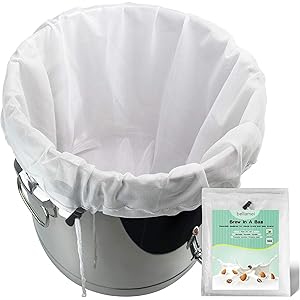
To make cold brew at home, start by coarsely grinding your favorite coffee beans. A common ratio is 1 cup of coffee grounds to 4 cups of cold water. Combine the coffee and water in a large jar or pitcher, ensuring all grounds are saturated. Cover and let it steep in the refrigerator or at room temperature for 12 to 24 hours. After steeping, strain the mixture through a fine mesh sieve or a coffee filter to separate the grounds from the liquid. The resulting cold brew concentrate can be stored in the refrigerator for up to two weeks.
Cold Brew vs. Iced Coffee
While both cold brew and iced coffee are served cold, they are made using different methods. Iced coffee is brewed hot and then cooled down by pouring it over ice, which can lead to a more bitter flavor due to the hot brewing process. In contrast, cold brew is brewed with cold water, resulting in a smoother, less acidic beverage. Understanding these differences can help beginners choose the right option for their taste preferences.
Choosing the Right Coffee Beans
Selecting the right coffee beans is crucial for making excellent cold brew. Look for coarsely ground beans that are specifically labeled for cold brew or choose medium to dark roast beans for a richer flavor. Single-origin coffees can provide unique tasting notes, while blends may offer a more balanced profile. Experimenting with different beans will help you discover your personal favorite for cold brew.
Cold Brew Ratios and Dilution
The strength of your cold brew can be adjusted by varying the coffee-to-water ratio. A common starting point is 1:4 (coffee to water), but many people prefer a stronger concentrate, such as 1:2. After brewing, you can dilute the concentrate with water, milk, or a milk alternative to achieve your desired strength. Remember that personal preference plays a significant role in determining the ideal ratio for your cold brew.
Get more content like this!
Sign up to receive updates and new terms first hand.
Flavoring Your Cold Brew
Cold brew can be enjoyed plain, but adding flavors can enhance the experience. Popular options include vanilla syrup, caramel, or flavored creamers. You can also infuse your cold brew with spices like cinnamon or nutmeg during the brewing process for a unique twist. Experimenting with different flavorings allows you to customize your cold brew to suit your taste.
Storing Cold Brew
Proper storage of cold brew is essential to maintain its freshness and flavor. Once brewed, transfer the cold brew concentrate to an airtight container and store it in the refrigerator. It can last up to two weeks, but for the best taste, consume it within the first week. If you notice any off-flavors or changes in aroma, it’s best to discard it and brew a fresh batch.
Serving Cold Brew
Cold brew can be served in various ways, making it a versatile beverage. Serve it over ice for a refreshing drink, or mix it with milk or cream for a creamier texture. You can also use cold brew as a base for coffee cocktails or blended drinks. The possibilities are endless, allowing you to enjoy cold brew in a way that suits your preferences.

Health Benefits of Cold Brew
Cold brew coffee is often considered healthier than traditional coffee due to its lower acidity, which can be gentler on the stomach. Additionally, cold brew retains many of the antioxidants found in coffee, providing potential health benefits. Some studies suggest that moderate coffee consumption may be linked to a reduced risk of certain diseases, making cold brew a delicious and health-conscious choice for coffee lovers.
Common Mistakes to Avoid
Beginners may encounter several common pitfalls when making cold brew. One mistake is using finely ground coffee, which can lead to a bitter taste and a gritty texture. Another issue is not allowing enough steeping time, resulting in weak flavor. Lastly, neglecting to strain the coffee properly can leave unwanted grounds in your final drink. By avoiding these mistakes, you can ensure a delicious cold brew experience.