What is Kombucha Fermented Beverage?
Kombucha fermented beverage is a popular drink made from sweetened tea that undergoes a fermentation process. This process involves the interaction of yeast and bacteria, which convert the sugars in the tea into various acids, gases, and alcohol. The result is a tangy, effervescent drink that is often praised for its potential health benefits, including improved digestion and enhanced immune function.

The Fermentation Process of Kombucha
The fermentation of kombucha begins with the preparation of sweetened tea, typically black or green tea. Once the tea has cooled, a symbiotic culture of bacteria and yeast (SCOBY) is added. This SCOBY is crucial as it contains the necessary microorganisms that facilitate fermentation. Over a period of 7 to 14 days, the SCOBY ferments the tea, producing a variety of compounds that contribute to the beverage’s unique flavor profile and health benefits.
Health Benefits of Kombucha Fermented Beverage
Kombucha fermented beverage is often touted for its numerous health benefits. It is rich in probiotics, which are beneficial bacteria that promote gut health. Additionally, kombucha contains antioxidants that can help combat oxidative stress in the body. Some studies suggest that regular consumption of kombucha may aid in detoxification, support liver health, and even boost energy levels due to its natural caffeine content.
Flavor Profiles of Kombucha
The flavor of kombucha fermented beverage can vary significantly depending on the type of tea used, the fermentation time, and any additional flavorings added during the brewing process. Common flavorings include fruits, herbs, and spices, which can enhance the drink’s taste and aroma. The balance of sweetness, tartness, and fizziness makes kombucha a refreshing alternative to sugary sodas and other beverages.
Types of Kombucha Fermented Beverages
There are various types of kombucha fermented beverages available on the market, each with its unique characteristics. Some kombucha is brewed with additional ingredients like ginger, turmeric, or berries, which not only add flavor but also enhance the health benefits. Additionally, there are different fermentation methods, such as second fermentation, which can create even more complex flavors and carbonation levels.
Get more content like this!
Sign up to receive updates and new terms first hand.
How to Brew Kombucha at Home
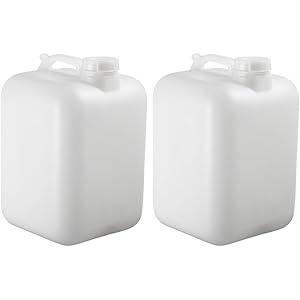
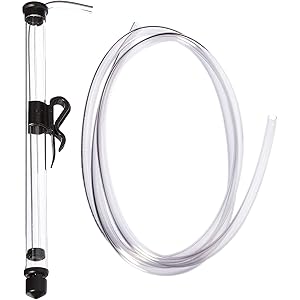
Brewing kombucha at home is a rewarding process that allows enthusiasts to customize their flavors and fermentation times. To start, one needs a SCOBY, sweetened tea, and a fermentation vessel. The process involves brewing the tea, cooling it, adding the SCOBY, and allowing it to ferment in a warm, dark place. After the desired fermentation period, the kombucha can be bottled and flavored before a second fermentation for added fizz.
Common Mistakes in Kombucha Fermentation
While brewing kombucha can be straightforward, there are common mistakes that can affect the quality of the final product. These include using the wrong type of tea, not maintaining proper temperatures, or failing to clean equipment thoroughly. It’s essential to monitor the fermentation process closely and taste the kombucha regularly to achieve the desired flavor and acidity.
Kombucha and Alcohol Content
One of the intriguing aspects of kombucha fermented beverage is its alcohol content, which is a byproduct of the fermentation process. While most commercially available kombucha contains less than 0.5% alcohol, homebrewed versions can sometimes exceed this threshold. It’s important for consumers to be aware of this, especially if they are sensitive to alcohol or are avoiding it for personal reasons.

Storing Kombucha Fermented Beverage
Proper storage of kombucha fermented beverage is crucial to maintaining its flavor and quality. Once bottled, kombucha should be kept in the refrigerator to slow down the fermentation process and preserve its taste. It’s best consumed within a few weeks of bottling, as the flavor can change over time, becoming more acidic as it continues to ferment.