Understanding the Kombucha Master Recipe
The kombucha master recipe serves as the foundational guideline for brewing this effervescent tea. It encompasses the essential ingredients, processes, and techniques necessary to create a delicious and healthful beverage. By following this master recipe, brewers can ensure consistency in flavor and quality, while also allowing for creative variations.

Essential Ingredients for Kombucha
The primary ingredients in the kombucha master recipe include tea, sugar, water, and a SCOBY (Symbiotic Culture of Bacteria and Yeast). The type of tea used can significantly influence the final flavor profile, with black, green, and herbal teas being popular choices. Sugar acts as the primary food source for the SCOBY, facilitating fermentation and carbonation.
The Importance of Water Quality
Water quality is a critical factor in the kombucha master recipe. Using filtered or spring water is recommended to avoid chlorine and other chemicals that can inhibit fermentation. The mineral content of the water can also affect the taste and health of the SCOBY, making it essential to choose the right water for brewing.
Brewing Process Overview
The brewing process begins by steeping the tea and dissolving the sugar in hot water. Once the mixture cools to room temperature, it is combined with the SCOBY and starter tea from a previous batch. This mixture is then covered and left to ferment for a specified period, typically ranging from 7 to 14 days, depending on the desired flavor and acidity.
Fermentation Time and Flavor Development
Fermentation time is a crucial aspect of the kombucha master recipe, as it directly impacts the beverage’s flavor and acidity. A shorter fermentation period results in a sweeter, less tangy kombucha, while a longer fermentation leads to a more robust and sour profile. Regular taste testing during fermentation can help brewers achieve their preferred flavor balance.
Bottling and Second Fermentation
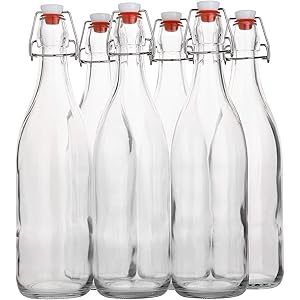
After the initial fermentation, the kombucha is ready for bottling. This stage often involves adding flavorings such as fruits, herbs, or spices to enhance the beverage’s taste. The bottled kombucha undergoes a second fermentation, which increases carbonation and develops additional flavors. This process typically lasts 3 to 7 days, depending on the desired fizziness.
Get more content like this!
Sign up to receive updates and new terms first hand.
Storing Your Kombucha
Proper storage is essential for maintaining the quality of your kombucha. Once the second fermentation is complete, the bottles should be refrigerated to slow down fermentation and preserve flavor. It’s important to consume the kombucha within a few weeks to enjoy its optimal taste and health benefits.
Health Benefits of Kombucha
Kombucha is celebrated for its numerous health benefits, which include improved digestion, enhanced immune function, and detoxification. The fermentation process produces beneficial probiotics and organic acids that contribute to gut health. By following the kombucha master recipe, brewers can create a beverage that not only tastes great but also supports overall well-being.

Common Mistakes to Avoid
When brewing kombucha, there are several common mistakes to avoid to ensure success. These include using the wrong type of tea, not maintaining proper temperature, and neglecting cleanliness during the brewing process. By adhering to the kombucha master recipe and being mindful of these pitfalls, brewers can achieve a consistently high-quality product.
Experimenting with Flavors
Once brewers become comfortable with the kombucha master recipe, they can start experimenting with different flavors and ingredients. Adding fruits, herbs, or spices during the second fermentation opens up a world of possibilities for unique and delicious kombucha variations. This creativity not only enhances the brewing experience but also allows for personalized beverages tailored to individual tastes.