Understanding Kombucha Recipe Basics
The kombucha recipe begins with a few essential ingredients: tea, sugar, and a SCOBY (Symbiotic Culture Of Bacteria and Yeast). The tea serves as the base, while the sugar is crucial for fermentation, providing the necessary fuel for the SCOBY to thrive. Understanding the balance of these components is vital for crafting a successful batch of kombucha.

Choosing the Right Tea for Your Kombucha Recipe
When selecting tea for your kombucha recipe, consider using black, green, or white tea. Each type imparts unique flavors and health benefits to the final product. Black tea tends to produce a robust flavor, while green tea offers a lighter, more delicate taste. Experimenting with different teas can lead to exciting variations in your homemade kombucha.
The Importance of Sugar in Kombucha Recipes
Sugar is a critical ingredient in any kombucha recipe, as it feeds the SCOBY during fermentation. While it may seem counterintuitive to add sugar to a health drink, the fermentation process transforms sugar into beneficial acids, probiotics, and carbonation. It’s essential to use the right amount of sugar to ensure a balanced flavor and optimal fermentation.
Preparing Your Kombucha Recipe
To prepare your kombucha recipe, start by brewing your chosen tea and dissolving the sugar in the hot liquid. Allow the tea to cool to room temperature before adding the SCOBY and starter tea from a previous batch. This step is crucial, as introducing the SCOBY to hot tea can kill the beneficial bacteria and yeast.
Fermentation Process in Kombucha Recipes
The fermentation process is where the magic happens in your kombucha recipe. After adding the SCOBY, cover the jar with a breathable cloth and secure it with a rubber band. Place the jar in a warm, dark place for about 7 to 14 days, depending on your taste preference. During this time, the SCOBY will consume the sugar and produce a tangy, effervescent beverage.
Get more content like this!
Sign up to receive updates and new terms first hand.
Flavoring Your Kombucha Recipe
Once the initial fermentation is complete, you can flavor your kombucha recipe with fruits, herbs, or spices. Common flavoring options include ginger, berries, or citrus. To do this, remove the SCOBY and pour the kombucha into bottles, leaving some space at the top. Add your chosen flavorings and allow the bottles to ferment for an additional 3 to 7 days for enhanced taste and carbonation.
Bottling Your Kombucha Recipe
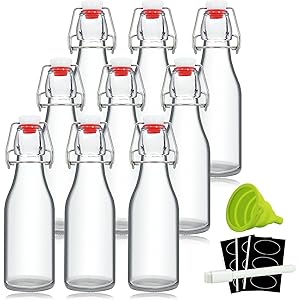
Bottling is a crucial step in your kombucha recipe. Use clean, airtight bottles to store your flavored kombucha. It’s essential to leave some headspace in the bottles to allow for carbonation. After bottling, refrigerate your kombucha to slow down the fermentation process and preserve the flavors you’ve created.
Health Benefits of Kombucha Recipes
Many enthusiasts turn to kombucha for its potential health benefits. A well-crafted kombucha recipe can be rich in probiotics, which support gut health, and antioxidants that combat oxidative stress. Additionally, the acids produced during fermentation may aid digestion and boost the immune system, making kombucha a popular choice among health-conscious individuals.

Common Mistakes in Kombucha Recipes
When experimenting with your kombucha recipe, it’s essential to avoid common pitfalls. Over-fermentation can lead to overly sour kombucha, while under-fermentation may result in a sweet, flat beverage. Additionally, using metal containers or utensils can harm the SCOBY, so always opt for glass or food-grade plastic when brewing and bottling your kombucha.
Storing Your Kombucha Recipe
Proper storage is vital for maintaining the quality of your kombucha recipe. Once bottled, keep your kombucha in the refrigerator to halt fermentation. It’s best consumed within a few weeks for optimal flavor and probiotic content. If you notice any off-putting smells or mold, it’s best to discard the batch and start anew.