Understanding Kombucha Refill Recipe
The term kombucha refill recipe refers to the process of replenishing your kombucha supply by creating a new batch using the leftover SCOBY (Symbiotic Culture Of Bacteria and Yeast) and starter tea from a previous brew. This method not only saves time but also ensures that you maintain the beneficial probiotics that kombucha is known for. By mastering the kombucha refill recipe, you can enjoy a continuous supply of this effervescent drink while minimizing waste.

Ingredients for Your Kombucha Refill Recipe
To create a successful kombucha refill recipe, you will need a few essential ingredients. These include high-quality tea (black or green), sugar, filtered water, and your SCOBY along with some starter tea from your last batch. The tea provides the necessary nutrients for the fermentation process, while sugar acts as food for the yeast and bacteria. Using filtered water is crucial to avoid any chemicals that might hinder fermentation.
Step-by-Step Guide to the Kombucha Refill Recipe
Begin your kombucha refill recipe by boiling about four cups of filtered water. Once boiling, remove it from heat and add 1 cup of sugar, stirring until dissolved. Next, add 4-6 tea bags (or 4 tablespoons of loose tea) and let it steep for about 15 minutes. After steeping, remove the tea bags and allow the mixture to cool to room temperature before proceeding to the next step.
Combining Ingredients for Fermentation
Once your sweetened tea has cooled, pour it into a clean fermentation vessel. Add about 2 cups of starter tea from your previous batch of kombucha, which helps to acidify the mixture and kickstart the fermentation process. Finally, gently place your SCOBY into the vessel. This step is vital as the SCOBY will initiate the fermentation, transforming your sweet tea into delicious kombucha.
Fermentation Time for Your Kombucha Refill
The fermentation time for your kombucha refill recipe can vary based on temperature and personal taste preferences. Typically, the fermentation process takes between 7 to 14 days. During this time, it’s essential to taste your kombucha periodically to determine when it has reached your desired level of tanginess. Warmer environments may speed up fermentation, while cooler temperatures can slow it down.
Get more content like this!
Sign up to receive updates and new terms first hand.
Bottling Your Kombucha
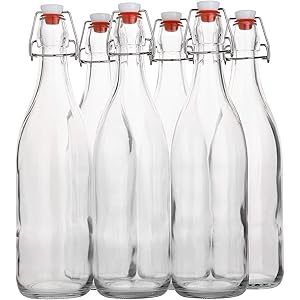
Once your kombucha has fermented to your liking, it’s time to bottle it. Carefully remove the SCOBY and set it aside in a clean bowl with some kombucha to keep it hydrated. Using a funnel, pour the fermented kombucha into clean bottles, leaving some space at the top. You can also add flavorings at this stage, such as fruits, herbs, or spices, to create unique variations of your kombucha.
Second Fermentation for Fizz
If you desire a fizzy kombucha, consider a second fermentation. Seal the bottles tightly and leave them at room temperature for an additional 3 to 7 days. This process allows the natural carbonation to build up, resulting in a refreshing effervescence. Remember to check the bottles daily to prevent over-carbonation, which can lead to exploding bottles.
Storing Your Kombucha
After the second fermentation, refrigerate your bottled kombucha to halt the fermentation process. This step is crucial as it preserves the flavor and carbonation. Properly stored, your kombucha can last for several weeks in the fridge. Always remember to shake gently before serving to mix any sediment that may have settled at the bottom.

Benefits of the Kombucha Refill Recipe
Utilizing a kombucha refill recipe not only helps you save money but also allows you to experiment with flavors and fermentation times. Additionally, making kombucha at home can be a rewarding experience, providing you with a probiotic-rich beverage that supports gut health. By continuously refilling your kombucha supply, you can enjoy the health benefits and delicious taste of this ancient drink.