Understanding Kombucha Starter Recipe
Kombucha is a fermented tea that has gained immense popularity due to its health benefits and unique flavor. A kombucha starter recipe is essential for anyone looking to brew their own kombucha at home. This recipe typically includes a few key ingredients: tea, sugar, water, and a SCOBY (Symbiotic Culture Of Bacteria and Yeast). The SCOBY is the heart of the fermentation process, transforming sweetened tea into a tangy, effervescent beverage.

Ingredients for Your Kombucha Starter Recipe
To create a successful kombucha starter recipe, you will need high-quality ingredients. The primary components include black or green tea, organic cane sugar, filtered water, and a SCOBY. It’s crucial to use organic ingredients to avoid pesticides that can harm the fermentation process. The sugar acts as food for the SCOBY, while the tea provides flavor and antioxidants, enhancing the overall health benefits of the final product.
Preparing the Tea Base
The first step in your kombucha starter recipe is to prepare the tea base. Begin by boiling filtered water and steeping your chosen tea for about 5 to 15 minutes, depending on the desired strength. Once the tea is brewed, remove the tea bags or leaves and stir in the organic cane sugar until fully dissolved. Allow the tea to cool to room temperature before proceeding, as adding the SCOBY to hot tea can kill the beneficial bacteria and yeast.
Adding the SCOBY
Once your tea base has cooled, it’s time to introduce the SCOBY. Carefully place the SCOBY into the cooled tea mixture, ensuring that it is submerged. This step is crucial, as the SCOBY will begin the fermentation process, converting the sugar into acids, gases, and alcohol. If you’re using a starter liquid from a previous batch of kombucha, add it at this stage to jumpstart the fermentation process.
Fermentation Process
The fermentation process is a vital part of your kombucha starter recipe. Cover the jar with a breathable cloth or coffee filter secured with a rubber band to allow airflow while keeping contaminants out. Place the jar in a warm, dark place, ideally between 75°F and 85°F (24°C to 29°C). The fermentation time can vary from 7 to 14 days, depending on your taste preference and environmental conditions. Taste your kombucha periodically to determine when it reaches your desired level of tartness.
Bottling Your Kombucha
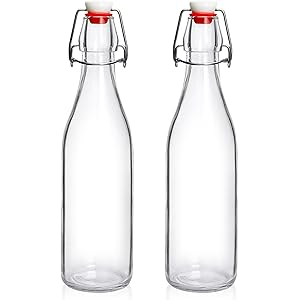
After the fermentation period, it’s time to bottle your kombucha. Carefully remove the SCOBY and set it aside for your next batch. Pour the fermented kombucha into clean bottles, leaving some space at the top for carbonation. You can add flavorings at this stage, such as fruit, herbs, or spices, to create unique variations of your kombucha. Seal the bottles tightly and allow them to carbonate at room temperature for an additional 3 to 7 days.
Get more content like this!
Sign up to receive updates and new terms first hand.
Refrigeration and Enjoyment
Once your kombucha has reached the desired level of carbonation, it’s time to refrigerate it. Chilling the kombucha halts the fermentation process and preserves its flavor. Serve your homemade kombucha cold, and enjoy the refreshing, fizzy drink that is not only delicious but also packed with probiotics and health benefits. Remember to save a SCOBY for your next batch, ensuring a continuous supply of this delightful beverage.
Common Mistakes in Kombucha Starter Recipe
When brewing kombucha, there are several common mistakes to avoid. One of the most significant errors is using non-organic ingredients, which can introduce harmful chemicals into your brew. Additionally, not maintaining the right temperature during fermentation can lead to undesirable flavors or even spoilage. Always ensure your brewing equipment is clean and sanitized to prevent contamination, which can ruin your kombucha.

Health Benefits of Homemade Kombucha
Homemade kombucha offers numerous health benefits, making it a worthwhile endeavor. Rich in probiotics, it supports gut health and digestion. The antioxidants present in kombucha can help combat oxidative stress, while the presence of B vitamins can boost energy levels. Regular consumption of kombucha may also enhance immune function and promote overall well-being, making your kombucha starter recipe a valuable addition to your diet.
Exploring Variations of Kombucha Starter Recipe
Once you master the basic kombucha starter recipe, feel free to experiment with different teas, sugars, and flavorings. Herbal teas, such as hibiscus or chamomile, can provide unique flavors, while alternative sweeteners like honey or agave can create distinct taste profiles. The possibilities are endless, allowing you to customize your kombucha to suit your preferences and explore the vast world of fermentation.