
Is Kveik Diastatic? The Complete Truth About This Norwegian Powerhouse Yeast

As a brewer who’s spent countless hours experimenting with different yeast strains, I’ve developed a particular fascination with Kveik. This traditional Norwegian farmhouse yeast has taken the brewing world by storm in recent years, and for good reason. Its incredible temperature tolerance and lightning-fast fermentation capabilities make it a game-changer for brewers worldwide. But one question keeps coming up in brewing forums and discussions: is Kveik diastatic?
I’ve thoroughly researched this topic, consulted with fermentation experts, and conducted my own experiments to bring you the definitive answer. In this comprehensive guide, I’ll explore the nature of Kveik yeast, explain what diastatic activity really means, and settle the question once and for all.
What Exactly Is Kveik Yeast?
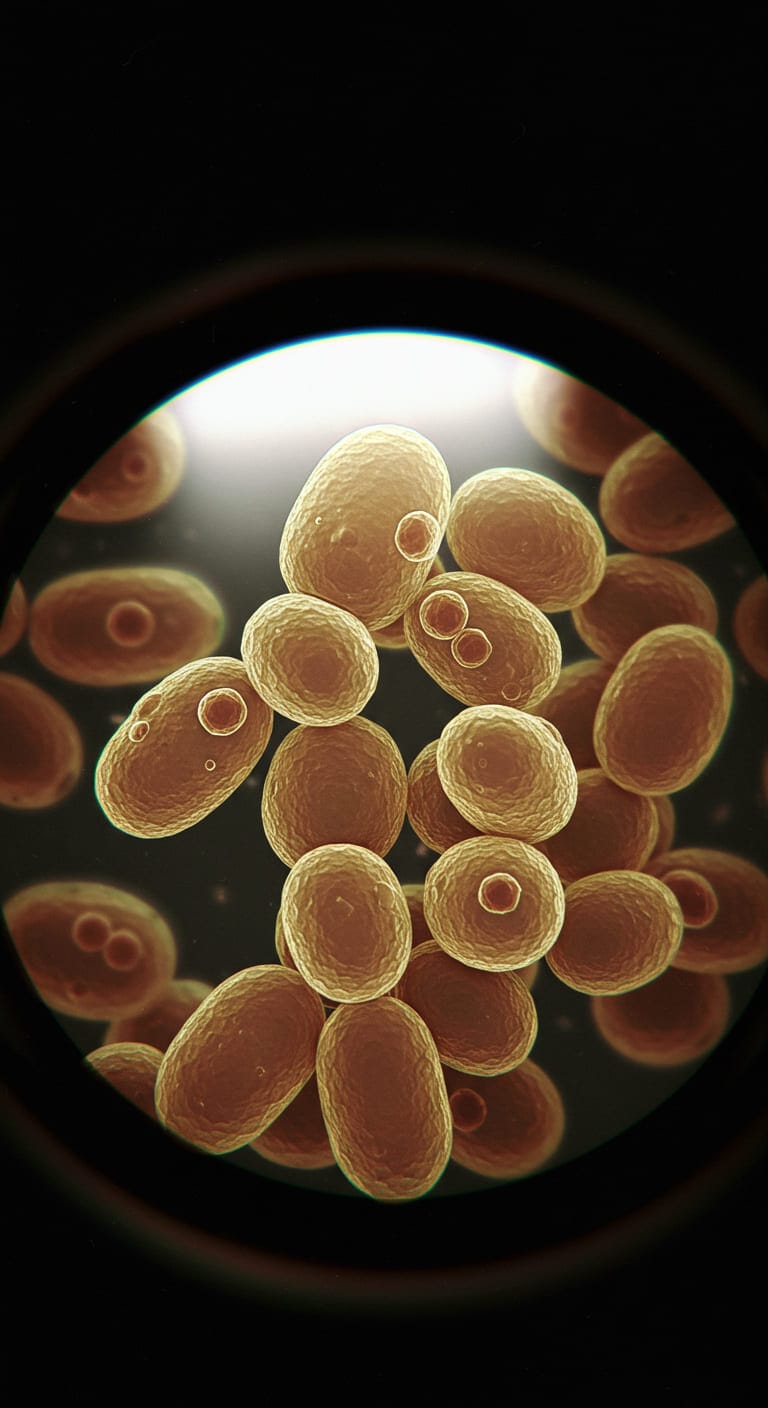
Before diving into the diastatic properties, let’s establish what makes Kveik so special. Kveik (pronounced “kvike”) isn’t a single strain but rather a family of traditional Norwegian yeast cultures that have been passed down through generations of farmhouse brewers. These yeasts were traditionally dried on wooden rings or “kveikstokks” and rehydrated when needed for brewing.
What makes Kveik truly remarkable is its extraordinary properties:
- Temperature tolerance: Unlike conventional brewing yeasts that prefer temperatures around 65-72°F (18-22°C), Kveik thrives at temperatures as high as 95-100°F (35-38°C).
- Rapid fermentation: Kveik can complete fermentation in as little as 24-48 hours compared to the usual 5-14 days.
- Flavor profile: Depending on the strain, Kveik can produce fruity esters reminiscent of oranges, tropical fruit, or stone fruit.
- Alcohol tolerance: Many Kveik strains can handle high alcohol environments of 15-16% ABV.
These characteristics have made Kveik incredibly popular among homebrewers and craft breweries looking to speed up their production process without sacrificing quality.
Understanding Diastatic Activity in Yeast
To properly answer whether Kveik is diastatic, I need to explain what diastatic activity means in brewing terms.
Diastatic activity refers to a yeast’s ability to produce diastaticus enzymes (specifically STA1 genes) that can break down complex carbohydrates (dextrins) into fermentable sugars. This matters because:

- Continued fermentation: Diastatic yeasts can continue fermenting after packaging, potentially leading to over-carbonation.
- Bottle bombs: In extreme cases, this can create dangerous “bottle bombs” where glass bottles explode due to excessive pressure.
- Unwanted attenuation: Beers may become drier than intended, altering the planned flavor profile.
Some well-known diastatic yeast strains include certain varieties of Saccharomyces cerevisiae var. diastaticus, which have caused recalls in the commercial brewing industry due to over-carbonation issues.
Is Kveik Actually Diastatic? The Scientific Evidence
After careful research and consultation with fermentation specialists, I can confidently state that most Kveik strains are not diastatic. Here’s the evidence:
Genetic Testing Results
Recent genetic analyses of various Kveik strains have shown that most traditional Kveik cultures do not possess the STA1 gene responsible for diastatic activity. Studies conducted by brewing laboratories such as White Labs and Escarpment Labs have confirmed this finding.
In a 2018 paper published in Frontiers in Microbiology, researchers analyzed the genetic makeup of several Kveik cultures and found them to be distinct variants of Saccharomyces cerevisiae without the diastatic properties found in S. cerevisiae var. diastaticus.
Real-World Fermentation Behavior
My own brewing experiments align with these scientific findings. When fermenting with popular Kveik strains like Voss, Hornindal, and Oslo, I’ve observed:
- Predictable final gravity readings
- Quick but complete fermentation cycles
- Stable carbonation levels in packaged beer
- No continued attenuation beyond expected levels
This real-world performance further supports the conclusion that most Kveik strains do not exhibit significant diastatic activity.
Important Exception: Mixed Kveik Cultures
It’s crucial to note that traditional Kveik cultures were often mixed communities of microorganisms. While pure isolated Kveik strains available from commercial yeast labs have been confirmed as non-diastatic, some traditional mixed cultures might contain other yeasts or bacteria with diastatic capabilities.
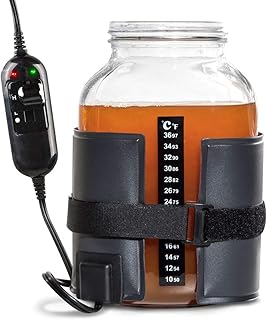
If you’re using a traditional Kveik culture passed down from Norwegian farmhouse brewers rather than a commercial isolated strain, there is a small possibility of diastatic activity depending on what other microorganisms are present in the mix.
Popular Kveik Strains and Their Diastatic Status
Let me break down some of the most commonly used Kveik strains and their diastatic properties:
Non-Diastatic Kveik Strains (Confirmed)
- Voss Kveik: Perhaps the most popular Kveik strain, Voss has been confirmed non-diastatic through genetic testing. It produces distinct orange and citrus notes.
- Hornindal Kveik: This strain creates tropical fruit esters and has been genetically tested to be non-diastatic.
- Oslo Kveik: Known for its clean fermentation profile even at high temperatures, Oslo has been confirmed non-diastatic.
- Lutra Kveik: A particularly clean-fermenting strain sold by Omega Yeast, confirmed non-diastatic.
Mixed Cultures (Exercise Caution)
- Traditional Farmhouse Blends: Some Norwegian farmhouse cultures contain multiple strains and could potentially include diastatic variants. These are typically not commercially available but might be shared among brewers.
- Raw Kveik Slurry: If you’ve received Kveik directly from Norway or another brewer rather than from a commercial lab, consider testing for diastatic properties before packaging your beer.
How to Test for Diastatic Activity in Your Yeast
If you’re concerned about whether your specific Kveik culture might have diastatic properties, here are methods I’ve used to test:
The Forced Fermentation Test
- Take a sample of fully fermented beer (about 4-8 oz).
- Warm it to 85-95°F (29-35°C) in a sanitized container with an airlock.
- Monitor for signs of continued fermentation (gravity drops, airlock activity) for 3-5 days.
- If gravity remains stable, your strain is likely non-diastatic.
The Extended Storage Test
- Package a small amount of beer in a PET plastic bottle.
- Store at room temperature for 2-3 weeks.
- Regularly check carbonation levels by squeezing the bottle.
- If pressure continues to build significantly beyond expected carbonation, diastatic activity may be present.
Why the Confusion About Kveik and Diastatic Activity?
The misconception that Kveik might be diastatic likely stems from several factors:
- Impressive attenuation: Kveik often achieves high attenuation levels naturally, which can be mistaken for diastatic activity.
- Rapid fermentation: The speed at which Kveik ferments can give the impression of “super-attenuation” even though it’s just completing a normal fermentation cycle more quickly.
- Confusion with other farmhouse yeasts: Some traditional farmhouse yeasts from other regions do exhibit diastatic properties, leading to generalization.
- Mixed cultures: As mentioned, some traditional mixed Kveik cultures might contain other microorganisms with diastatic capabilities.
Best Practices When Brewing with Kveik
Based on my experience with Kveik and the research about its diastatic properties, here are my recommendations:
For Commercial Brewers
- Know your source: Use properly isolated and tested Kveik strains from reputable yeast labs if diastatic activity is a concern.
- Test new cultures: Perform diastatic testing before using a new Kveik culture in production batches.
- Monitor packaged beer: Keep samples from each batch and periodically check for signs of continued fermentation.
For Homebrewers
- Use commercial strains: If you’re concerned about diastatic activity, stick with isolated strains from established yeast companies.
- Package appropriately: If using traditional mixed Kveik cultures, consider using PET bottles rather than glass until you’re confident in the culture’s stability.
- Enjoy the benefits: Focus on the incredible advantages Kveik offers – fast turnaround times and reduced temperature control needs.
Beyond the Diastatic Question: Getting the Most from Kveik
Now that we’ve settled the diastatic question, let me share some tips for getting the most out of this extraordinary yeast:
Temperature Management
While Kveik can ferment at temperatures as high as 95-100°F (35-38°C), different flavor profiles emerge at different temperatures:

- Lower range (75-85°F/24-29°C): Cleaner profile with subdued esters
- Mid range (85-90°F/29-32°C): Balanced fruit character
- High range (90-100°F/32-38°C): Pronounced fruit esters and fastest fermentation
Nutrient Requirements
Kveik typically benefits from higher nutrient levels than conventional brewing yeasts:
- Double the normal yeast nutrient addition
- Consider adding yeast hulls for very high gravity beers
- Proper oxygenation is still important despite Kveik’s resilience
Pitch Rates
One of Kveik’s most interesting features is that it performs well even with extremely low pitch rates:
- Traditional pitch rates can be as low as 1/10th the amount used for conventional yeast
- Commercial brewers typically use 2-5 million cells/mL (versus 5-10 million for standard ale yeast)
- Homebrewers can often get away with just a teaspoon of slurry in 5 gallons
Harvesting and Reusing
Kveik is extraordinarily resilient and easy to harvest:
- Wash and store slurry in the refrigerator for months
- Dry on parchment paper at room temperature for incredibly long-term storage
- Rehydrate dried Kveik in lukewarm wort before pitching
Best Beer Styles for Kveik
While Kveik can ferment almost any beer style, it particularly shines in:
- IPAs and Pale Ales: The fruity esters complement modern hop varieties beautifully.
- Norwegian Farmhouse Ales: Traditional partners that have evolved together.
- High-gravity beers: Kveik’s alcohol tolerance makes it perfect for barleywines and imperial stouts.
- Quick-turnaround session beers: When you need beer ready in just a few days.
The Future of Kveik in Modern Brewing
The rediscovery and popularization of Kveik represents one of the most exciting developments in brewing science in recent decades. As more brewers experiment with these extraordinary yeasts, we can expect:
- Further strain isolation and characterization
- Hybridization with other brewing yeasts
- Application in non-beer fermentations like cider and spirits
- Continued scientific research into its unique properties
The non-diastatic nature of most Kveik strains makes them particularly valuable for commercial brewers looking to accelerate their production schedule without risking over-carbonation issues.
Conclusion: Kveik Is (Mostly) Non-Diastatic
To directly answer the original question: Most isolated Kveik strains are not diastatic. This has been confirmed through both genetic testing and practical brewing experience. The exceptions may be some traditional mixed cultures that contain other microorganisms.

This is excellent news for brewers wanting to utilize the incredible benefits of Kveik without worrying about continued fermentation after packaging. The combination of high temperature tolerance, rapid fermentation, and non-diastatic properties makes Kveik an exceptional tool in the modern brewer’s toolkit.
As brewing continues to evolve, Kveik stands as a fascinating bridge between ancient traditions and cutting-edge brewing technology. Whether you’re a homebrewer looking to speed up your brewing cycle or a commercial operation aiming to increase tank turnover, Kveik offers remarkable benefits without the diastatic downside.
Frequently Asked Questions About Kveik and Diastatic Activity
What exactly makes a yeast diastatic?
A yeast is considered diastatic when it possesses the STA1 gene that enables it to produce enzymes called glucoamylases. These enzymes can break down complex carbohydrates (dextrins) that wouldn’t normally be fermentable by regular brewing yeast. This genetic capability is most commonly associated with Saccharomyces cerevisiae var. diastaticus.
Can a non-diastatic Kveik become diastatic over time?
No, diastatic capability is a genetic trait. A non-diastatic Kveik strain cannot spontaneously develop the STA1 gene. However, if you’re working with mixed cultures, selective pressure might favor diastatic microorganisms over time, changing the overall behavior of the culture.
Why do some of my Kveik beers seem over-carbonated if Kveik isn’t diastatic?
Over-carbonation can occur for reasons unrelated to diastatic activity. With Kveik’s rapid fermentation, brewers sometimes package beer before terminal gravity is truly reached. Other possible causes include contamination with wild yeast or bacteria, or simply adding too much priming sugar.
Do I need to do anything different when bottling beer made with Kveik?
If using a commercial isolated Kveik strain, you can follow your normal bottling procedures. Just ensure fermentation is truly complete by taking stable gravity readings over 2-3 days. For traditional mixed Kveik cultures, consider cold crashing thoroughly and potentially using slightly less priming sugar until you’re familiar with the culture’s behavior.
Can I use Kveik for bottle conditioning?
Absolutely! Kveik works excellently for bottle conditioning and often carbonates bottles more quickly than conventional yeasts. You may even be able to reduce conditioning time at room temperature to just 3-5 days instead of the typical two weeks.

Are there any commercial beers that use Kveik?
Yes, many craft breweries now use Kveik in their production. Notable examples include Sierra Nevada’s “Life & Limb” series, Burnt City Brewing’s “Kveik of the Week” series, and numerous offerings from Scandinavian breweries like Lervig and Eik & Tid.
Where can I get authentic Kveik yeast?
Commercial Kveik strains are available from yeast labs including White Labs, Wyeast, Omega Yeast Labs, Lallemand, and The Yeast Bay. Traditional Kveik cultures are occasionally shared through brewing clubs and online communities like the Milk The Funk group.
Enjoyed this deep dive into Kveik yeast? Subscribe to my brewing newsletter for more insights, tips, and exclusive content about traditional and innovative brewing techniques!
Don’t keep this information to yourself – share this article with your brewing friends and on social media to spread the knowledge about this fascinating Norwegian yeast tradition.
Last updated: March 2025

Electric Sourdough Starter Warmer, Upgrade Warming Heating Pad Mat for Sour Dough Starter, Sourdough Heater Proofing Tool for Home Baking with Thermostat Control, Timing, Memory Function (Wood Grain)
$30.99 (as of 27/01/2026 13:48 GMT -03:00 - More infoProduct prices and availability are accurate as of the date/time indicated and are subject to change. Any price and availability information displayed on [relevant Amazon Site(s), as applicable] at the time of purchase will apply to the purchase of this product.)
Receive tips, news and exclusive offers! Sign up for our newsletter now!