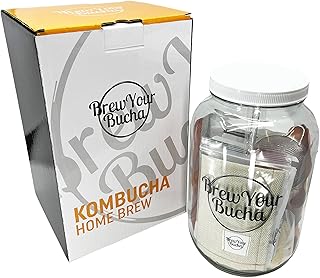
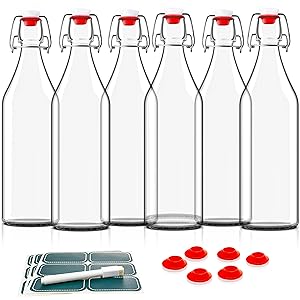

Kombucha and Fermented Drinks: Exploring Their Health Benefits, Brewing Techniques, and Cultural Significance
Kombucha, a sparkling, fermented tea, has gained immense popularity in recent years as a healthful beverage. But it is just one of many fermented drinks enjoyed around the world. This comprehensive guide will explore the fascinating world of kombucha and other fermented drinks, delving into their health benefits, brewing methods, cultural significance, and tips for making your own delicious concoctions.

Understanding Fermented Drinks
What is Fermentation?
Fermentation is a natural process where microorganisms like yeast and bacteria convert sugars into acids, gases, or alcohol. This biochemical reaction has been used for centuries to preserve food and create beverages. The result is not only longer shelf life but also a unique flavor profile and potential health benefits.
The Science Behind Fermentation
During fermentation, yeast consumes sugars and produces alcohol and carbon dioxide. Simultaneously, lactic acid bacteria can convert sugars into lactic acid, creating a tangy flavor and enhancing the drink’s probiotic content. This process results in various types of fermented drinks, each with distinct flavors, aromas, and health benefits.
Types of Fermented Drinks
- Kombucha: A fermented tea beverage made with sweetened tea, a SCOBY (Symbiotic Culture of Bacteria and Yeast), and often flavored with fruits, herbs, or spices.
- Kefir: A probiotic-rich drink made from fermented milk or water. Milk kefir is creamy and tangy, while water kefir is a dairy-free alternative, made using sugar water and kefir grains.
- Kvass: A traditional Slavic beverage made from fermented rye bread, offering a slightly sour and refreshing taste.
- Mead: An alcoholic beverage created by fermenting honey with water, often flavored with fruits, spices, or herbs.
- Sour Beer: Beer produced through wild fermentation methods, typically resulting in a tart flavor profile.
- Ginger Beer: A fermented drink made with ginger, sugar, and water, which can be naturally carbonated.
Each of these beverages shares a common theme: the fermentation process, which enhances flavor and provides potential health benefits.
The Health Benefits of Kombucha and Fermented Drinks
1. Probiotics and Gut Health
Fermented drinks like kombucha and kefir are rich in probiotics—beneficial bacteria that promote gut health. A healthy gut microbiome is crucial for digestion, nutrient absorption, and immune function. Probiotics can also alleviate digestive issues, such as bloating and constipation.
2. Antioxidants
Kombucha, particularly when made from green tea, is rich in antioxidants that combat oxidative stress in the body. Antioxidants neutralize free radicals, which can contribute to chronic diseases like cancer and heart disease.
3. Detoxification
The organic acids produced during fermentation, such as glucuronic acid in kombucha, may aid in detoxifying the liver and eliminating harmful substances from the body. This detoxifying effect is one of the reasons kombucha is often hailed as a “cleanse” beverage.
4. Immune Support
The combination of probiotics and antioxidants in fermented drinks can help bolster the immune system. A balanced gut microbiome supports overall health and helps the body defend against infections.

5. Enhanced Nutrient Absorption
Fermentation can enhance the bioavailability of certain nutrients, making them easier for the body to absorb. For instance, the fermentation of grains can break down anti-nutrients, allowing for better absorption of vitamins and minerals.
6. Mental Health Benefits
Emerging research suggests a strong connection between gut health and mental health. Probiotics may positively impact mood and mental well-being, potentially reducing symptoms of anxiety and depression.
The Cultural Significance of Kombucha and Fermented Drinks
1. Historical Roots
Fermented drinks have been part of human culture for thousands of years. Kombucha is believed to have originated in Northeast China over 2,000 years ago, where it was regarded as a health tonic. Similarly, kefir has its roots in the Caucasus region, while kvass has been enjoyed in Eastern Europe for centuries.
2. Modern Revival
In recent years, there has been a resurgence of interest in fermented drinks as people seek healthier alternatives to sugary beverages and alcoholic drinks. This trend reflects a broader shift toward natural and whole foods, emphasizing the importance of gut health and well-being.
3. Community and Connection
Brewing fermented drinks often fosters a sense of community and connection. Many enthusiasts share their recipes, SCOBYs, and tips with one another, creating a vibrant culture of homebrewing. Workshops and classes have also emerged, allowing people to learn the art of fermentation together.
Brewing Your Own Kombucha
Ingredients
To brew kombucha at home, you’ll need:
- Tea: Black or green tea is typically used. Avoid flavored teas with oils, as they can harm the SCOBY.
- Sugar: Granulated white sugar is the primary source of food for the yeast. Other sugars may be used, but white sugar is the most common.
- SCOBY: Obtain a healthy SCOBY from a friend, local brewer, or purchase one online.
- Starter Tea: Use a small amount of pre-brewed kombucha to kickstart the fermentation process.
Equipment
You’ll also need:

- Glass Jar: A one-gallon glass jar is ideal for brewing.
- Cloth Cover: A breathable cloth or coffee filter to cover the jar.
- Rubber Band: To secure the cloth cover.
- Bottles: For bottling the finished kombucha.
Step-by-Step Brewing Process
Step 1: Prepare the Tea
- Boil about 4 cups of water and steep 5-8 tea bags or 1 cup of loose leaf tea.
- Stir in 1 cup of sugar until dissolved.
- Allow the tea to cool to room temperature.
Step 2: Combine Ingredients
Pour the cooled sweetened tea into the glass jar and add enough cool water to make a total of 1 gallon. Add the starter tea and gently place the SCOBY on top.
Step 3: Ferment
Cover the jar with a cloth and secure it with a rubber band. Place it in a warm, dark location (around 70-85°F) for 7-14 days, depending on your taste preferences.
Step 4: Taste and Bottle
After about a week, begin tasting the kombucha. Once it reaches your desired flavor, remove the SCOBY and set it aside for your next batch.
Step 5: Flavoring (Optional)
If desired, add fruit, herbs, or spices to your bottled kombucha for additional flavor. Seal the bottles tightly and allow them to ferment at room temperature for 3-7 days for carbonation.
Step 6: Refrigerate and Enjoy
Once carbonated, refrigerate the bottles to stop fermentation. Your homemade kombucha is now ready to enjoy!
Exploring Other Fermented Drinks
While kombucha is a favorite among health enthusiasts, numerous other fermented beverages deserve attention.
Kefir
What is Kefir? Kefir is a fermented drink made from milk or water and kefir grains, which contain a diverse array of bacteria and yeast. Milk kefir has a creamy texture and tangy flavor, while water kefir is light and refreshing.

Health Benefits of Kefir Kefir is rich in probiotics and can aid in digestion, boost the immune system, and improve bone health due to its high calcium content. It can also be consumed by those who are lactose intolerant, as the fermentation process breaks down lactose.
How to Make Kefir To make milk kefir, combine milk (dairy or non-dairy) with kefir grains in a jar and let it ferment for 24-48 hours. Strain the grains and enjoy the tangy beverage. For water kefir, mix sugar water with kefir grains and follow a similar fermentation process.
Kvass
What is Kvass? Kvass is a traditional fermented drink from Eastern Europe, primarily made from rye bread. It has a mildly sour taste and a low alcohol content.
Health Benefits of Kvass Kvass is rich in vitamins and minerals, particularly B vitamins, and is often considered a digestive aid. It may also help hydrate and replenish electrolytes.
How to Make Kvass To make kvass, mix rye bread with water, sugar, and yeast. Allow it to ferment for several days, then strain and refrigerate. Add fruits or herbs for extra flavor.
Mead
What is Mead? Mead is an alcoholic beverage made by fermenting honey with water. It can be flavored with fruits, spices, or herbs, resulting in a wide variety of flavors.
Health Benefits of Mead Mead is rich in antioxidants and has been consumed for centuries for its potential health benefits. It may support heart health and boost the immune system.

How to Make Mead To make mead, combine honey and water in a fermentation vessel and add yeast. Allow it to ferment for several weeks to months, then bottle and age for flavor development.
Ginger Beer
What is Ginger Beer? Ginger beer is a fermented beverage made from ginger, sugar, and water. It has a spicy, refreshing flavor and can be alcoholic or non-alcoholic.
Health Benefits of Ginger Beer Ginger beer can aid digestion and has anti-inflammatory properties due to its ginger content. It may also help alleviate nausea and improve circulation.
How to Make Ginger Beer To make ginger beer, mix grated ginger, sugar, and water with ginger beer plant (GBP) or yeast. Allow it to ferment for a few days, then strain and bottle.
Final Thoughts on Kombucha and Fermented Drinks
Kombucha and other fermented drinks offer a delightful combination of flavors, health benefits, and cultural significance. The fermentation process not only preserves these beverages but also enhances their nutritional profiles. Whether you’re brewing kombucha at home, experimenting with kefir, or enjoying the rich flavors of kvass and mead, there is a fermented drink for everyone.
Embrace the world of fermented drinks and enjoy their potential health benefits while exploring the rich history and culture surrounding them. Whether sipping a refreshing glass of kombucha on a hot day or enjoying a tangy cup of kefir, you’ll be participating in a time-honored tradition that connects us all to our ancestors and the art of fermentation.

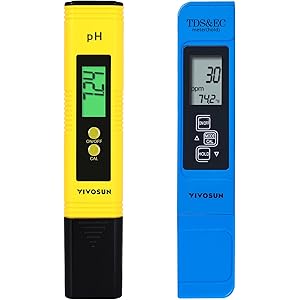
VIVOSUN Digital pH and TDS Meter Kits, 0.01pH High Accuracy Pen Type pH Meter ± 2% Readout Accuracy 3-in-1 TDS EC Temperature Meter for Hydroponics, Pool and Aquarium, Yellow Blue, UL Certified
$13.29 (as of 26/12/2025 13:32 GMT -03:00 - More infoProduct prices and availability are accurate as of the date/time indicated and are subject to change. Any price and availability information displayed on [relevant Amazon Site(s), as applicable] at the time of purchase will apply to the purchase of this product.)
Receive tips, news and exclusive offers! Sign up for our newsletter now!