


Kombucha: Understanding What It Is Fermented From and Its Health Benefits
Kombucha, a bubbly beverage that has surged in popularity in recent years, is more than just a trendy drink; it’s a fascinating blend of science, tradition, and flavor. Originating in Northeast China and spreading across the globe, this fermented tea drink has captivated the hearts and taste buds of many. In this article, we will explore what kombucha is fermented from, the fermentation process, its health benefits, how to brew it at home, and various flavors to experiment with.

What is Kombucha?
Kombucha is a fermented drink made from sweetened tea and a symbiotic culture of bacteria and yeast (commonly referred to as SCOBY). The SCOBY, which resembles a gelatinous disc, is responsible for the fermentation process that transforms sweetened tea into a tangy, effervescent beverage.
The basic ingredients for making kombucha include:
- Tea: Typically black or green tea, which provides the flavor and beneficial compounds.
- Sugar: Usually granulated sugar, which the yeast in the SCOBY consumes during fermentation, producing alcohol and carbon dioxide.
- SCOBY: The living culture that initiates fermentation.
- Water: Ideally filtered or distilled to avoid any impurities.
The Fermentation Process of Kombucha
The fermentation of kombucha is a two-step process that involves both the initial fermentation (often referred to as the primary fermentation) and a second fermentation for carbonation and flavor enhancement.
Step 1: Primary Fermentation
- Brewing the Tea: Start by boiling water and adding tea leaves or tea bags. Allow the tea to steep for 5-10 minutes, depending on the type of tea used.
- Adding Sugar: While the tea is still hot, add sugar to the brewed tea. Stir until fully dissolved.
- Cooling the Tea: Once the sugar has dissolved, allow the sweetened tea to cool to room temperature.
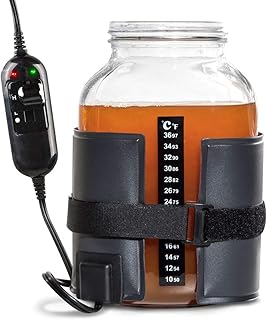
- Introducing the SCOBY: Once cooled, pour the tea into a clean glass jar, leaving space at the top. Add a few cups of previously fermented kombucha (from a store-bought bottle or a previous batch) to introduce beneficial bacteria. Finally, gently place the SCOBY on top.
- Covering the Jar: Use a breathable cloth (like cheesecloth) to cover the jar and secure it with a rubber band. This allows airflow while preventing dust and insects from contaminating the brew.
Step 2: Secondary Fermentation
After about 7 to 14 days (depending on your taste preference), the primary fermentation will be complete. The kombucha will taste tangy and slightly effervescent. Here’s how to proceed:
- Removing the SCOBY: Carefully remove the SCOBY and set it aside. It can be reused for future batches.
- Bottling the Kombucha: Pour the fermented kombucha into bottles, leaving about an inch of headspace at the top. At this stage, you can add flavors like fruit, herbs, or spices.
- Sealing and Carbonating: Seal the bottles tightly and leave them at room temperature for 3 to 7 days. This second fermentation will carbonate the kombucha as the yeast continues to consume any residual sugar.
- Refrigeration: Once it’s bubbly enough for your liking, refrigerate the bottles to stop fermentation. Your homemade kombucha is now ready to be enjoyed!
The Health Benefits of Kombucha
Kombucha is often touted for its numerous health benefits, many of which can be attributed to its unique composition of probiotics, organic acids, and antioxidants.
1. Probiotics for Gut Health
The fermentation process produces probiotics, which are beneficial bacteria that support gut health. Regular consumption of kombucha can help maintain a healthy balance of gut flora, potentially alleviating digestive issues such as bloating, constipation, and diarrhea.
2. Antioxidants
Kombucha, particularly when made from green tea, is rich in antioxidants such as polyphenols. These compounds help combat oxidative stress in the body, reducing the risk of chronic diseases and promoting overall wellness.
3. Detoxification
Kombucha contains glucuronic acid, a compound that helps detoxify the body by binding to toxins and facilitating their elimination. This may support liver function and overall detoxification processes.
4. Immune Support
The probiotics in kombucha can enhance the immune system by promoting a healthy gut microbiome. A balanced gut flora has been linked to improved immune function, making kombucha a great addition to your diet, especially during cold and flu season.
5. Energy Boost
While kombucha contains less caffeine than traditional tea, the presence of caffeine and B vitamins can provide a gentle energy boost. The carbonation can also make you feel more alert and refreshed.
6. Potential Weight Management
Some studies suggest that the polyphenols in green tea, when combined with the fermentation process, may support weight management by promoting fat metabolism and reducing fat accumulation.
Flavors and Variations
One of the most exciting aspects of kombucha brewing is the ability to experiment with flavors. The second fermentation is the perfect time to introduce new ingredients, allowing you to customize your kombucha to suit your taste preferences. Here are some popular flavor combinations:
1. Ginger Lemon
Add fresh ginger slices and lemon juice during the second fermentation for a zesty and refreshing flavor. Ginger not only enhances the taste but also provides additional health benefits, such as aiding digestion and reducing inflammation.
2. Berry Bliss
Add mixed berries, such as strawberries, blueberries, or raspberries, to your kombucha for a fruity twist. The natural sweetness of the berries complements the tangy flavor of the fermented tea beautifully.
3. Tropical Paradise
Experiment with tropical flavors by adding pineapple, mango, or coconut. These fruits bring a refreshing sweetness that pairs well with the tangy notes of kombucha.
4. Herbal Infusion
Try adding fresh herbs like mint, basil, or rosemary for a unique and aromatic flavor. Herbs can add depth to the kombucha and provide additional health benefits.
5. Spicy Chai
For a warm and spicy twist, consider adding chai spices such as cinnamon, cloves, and cardamom. This flavor combination is perfect for cooler weather and can be enjoyed warm or chilled.
Tips for Successful Kombucha Brewing
- Use Quality Ingredients: Opt for high-quality tea and organic sugar to enhance the flavor and health benefits of your kombucha.
- Keep Everything Clean: Sanitize all equipment to prevent contamination during the brewing process.
- Monitor Fermentation: Taste your kombucha regularly to determine the ideal fermentation time for your palate.
- Experiment with Flavors: Don’t be afraid to try new flavor combinations during the second fermentation.
- Stay Patient: The fermentation process takes time, but the results are worth the wait!
Common Questions About Kombucha
Is Kombucha Alcoholic?
Kombucha does contain a small amount of alcohol due to the fermentation process, typically less than 0.5% ABV (alcohol by volume). Most commercially available kombucha is classified as a non-alcoholic beverage, but homebrewed versions may contain slightly higher levels. If you’re avoiding alcohol, be mindful of your consumption.
Can Pregnant Women Drink Kombucha?
Pregnant women should consult their healthcare provider before consuming kombucha. The presence of alcohol and potential for caffeine may raise concerns during pregnancy.
How Long Can You Store Kombucha?
Homemade kombucha can be stored in the refrigerator for up to a month. However, it’s best consumed within the first two weeks for optimal flavor and probiotic content.
What Happens if You Drink Too Much Kombucha?
While kombucha is generally safe for most people, excessive consumption can lead to digestive upset due to its acidity and probiotic content. It’s recommended to start with small servings (around 4 ounces) and gradually increase as tolerated.

Can You Reuse the SCOBY?
Absolutely! The SCOBY can be reused indefinitely as long as it remains healthy. It may even grow “baby” SCOBYs, which can be shared with friends or used to start new batches of kombucha.
Kombucha is a delicious and healthful beverage that offers a unique blend of flavor, fermentation, and health benefits. Understanding what kombucha is fermented from, the brewing process, and its potential health advantages allows you to appreciate this ancient drink even more. With endless possibilities for flavor experimentation, brewing kombucha at home can be a fun and rewarding experience.
As you embark on your kombucha brewing journey, remember to enjoy the process, experiment with flavors, and savor the delicious results. Cheers to your health and happiness with every fizzy sip of kombucha!

FastRack 750 ml Clear Bordeaux Wine Bottles (Pack of 12) Screw top finish with 12 Black PLASTIC caps | W5 Flint Flat-Bottomed Glass Bottles Ideal for Wine Making and Storage
$27.87 (as of 21/12/2025 13:30 GMT -03:00 - More infoProduct prices and availability are accurate as of the date/time indicated and are subject to change. Any price and availability information displayed on [relevant Amazon Site(s), as applicable] at the time of purchase will apply to the purchase of this product.)
Receive tips, news and exclusive offers! Sign up for our newsletter now!


