

The Art of Hydromel: A Comprehensive Guide to Making and Enjoying Mead
Introduction to Hydromel
Hydromel, or mead, is one of the oldest fermented beverages known to humanity, with a history that stretches back thousands of years. This delightful drink, made primarily from honey, water, and yeast, has been cherished by various cultures for its unique flavors and potential health benefits. In this comprehensive guide, we will explore the rich history of hydromel, delve into the various types and recipes, and provide a step-by-step approach to crafting your own mead at home.

A Brief History of Hydromel
The origins of hydromel can be traced back to ancient civilizations. Archaeological evidence suggests that mead was consumed in China as early as 7000 BC, and it was also prevalent in ancient Greece and Rome, where it was often associated with the gods and the nobility. The Greeks referred to mead as “Ambrosia,” the food of the gods, highlighting its esteemed place in their culture.
In Norse mythology, hydromel is linked to wisdom and poetry. The gods created a special mead known as the “mead of poetry,” which granted the gift of inspiration to those who consumed it. This historical significance continues to resonate, making mead a beverage steeped in tradition and lore.
Understanding Hydromel: Ingredients and Types
Basic Ingredients
The primary ingredients in hydromel are:
- Honey: The quality of honey you use will significantly affect the flavor of your mead. Different types of honey, such as clover, wildflower, or orange blossom, can impart distinct characteristics to the final product.
- Water: Use filtered or spring water for the best results. The water should be free from chlorine and other impurities that can negatively impact fermentation.
- Yeast: The choice of yeast is crucial. While traditional meadmakers often use wild yeast, commercial yeasts are more reliable for beginners. Common varieties include Champagne yeast and ale yeast.
Types of Hydromel
Hydromel comes in various styles, each offering unique flavors and characteristics:
- Traditional Mead: Made with just honey, water, and yeast, traditional mead showcases the pure taste of honey.
- Melomel: A fruit-flavored mead that incorporates berries, citrus, or stone fruits. Popular fruits include raspberries, peaches, and cherries.
- Metheglin: A spiced mead, often infused with herbs and spices like cinnamon, ginger, or cloves. Metheglin can be enjoyed warm or cold.
- Braggot: A hybrid mead made by combining honey and malted grains, resulting in a beer-like quality. This style is great for those who enjoy both beer and mead.
- Hydromel: A lower-alcohol version of mead, made with a higher ratio of water to honey. It’s refreshing and ideal for casual drinking.
The Mead-Making Process: A Step-by-Step Guide
Equipment Needed
Before you start, gather the necessary equipment:
- Fermentation vessel (glass carboy or food-grade plastic bucket)
- Airlock and stopper
- Stirring spoon (preferably stainless steel or food-grade plastic)
- Hydrometer (for measuring specific gravity)
- Bottles and corks or caps
- Sanitizing solution (like Star San)
Step 1: Sanitization
Sanitization is crucial in mead-making to prevent unwanted bacteria and wild yeast from spoiling your batch. Clean and sanitize all your equipment thoroughly before starting the process.
Step 2: Preparing the Must
- Mixing Ingredients: In a large pot, combine water and honey. Use about 3 to 4 pounds of honey per gallon of water, adjusting based on your taste preferences.
- Heating: Gently heat the mixture to dissolve the honey, but do not boil it. Heating helps to sanitize the must, removing potential contaminants.
- Cooling: Allow the must to cool to room temperature before adding yeast. If you add yeast while the must is too hot, it can kill the yeast and hinder fermentation.
Step 3: Fermentation
- Adding Yeast: Once the must has cooled, add your chosen yeast. Stir gently to incorporate the yeast into the mixture.
- Primary Fermentation: Transfer the must to your fermentation vessel and seal it with an airlock. Place the vessel in a dark, temperature-controlled environment (ideally between 65-75°F).
- Monitoring Fermentation: Over the next few weeks, fermentation will begin. You’ll notice bubbles forming in the airlock, which indicates active fermentation. This process typically lasts about 2 to 4 weeks.
Step 4: Racking
After the primary fermentation has slowed (bubbles in the airlock will decrease significantly), it’s time to rack the mead:
- Siphoning: Use a siphon or racking cane to transfer the mead to a clean vessel, leaving the sediment behind. This process helps clarify the mead and improves its taste.
- Secondary Fermentation: Allow the mead to undergo secondary fermentation for an additional month or two, depending on your desired clarity and flavor profile.
Step 5: Bottling
Once the mead is clear and fermentation is complete (check with a hydrometer for stable readings), it’s time to bottle:
- Sanitize Bottles: Clean and sanitize your bottles thoroughly.
- Filling Bottles: Use a siphon to fill each bottle, leaving about an inch of headspace at the top.
- Capping or Corking: Seal the bottles with caps or corks, ensuring they are secure.
Step 6: Aging
Aging is crucial for developing the flavors of your hydromel. While some meads can be enjoyed young, others benefit from extended aging. Store your bottles in a cool, dark place for at least six months to a year.
Tasting and Pairing Hydromel
After months of patience, it’s time to taste your homemade hydromel. Pour a glass and appreciate its color and aroma before taking a sip. Here are some pairing suggestions to enhance your mead-drinking experience:
- Cheese: Pair hydromel with various cheeses. Soft cheeses like Brie complement the sweetness of mead, while sharp cheeses like aged cheddar balance its richness.
- Fruits: Fresh fruits, particularly those used in the mead-making process, can enhance the tasting experience.
- Nuts: Roasted nuts, especially almonds or walnuts, make excellent snacks to accompany hydromel.
- Desserts: Hydromel pairs well with desserts like cakes, pastries, and chocolate, creating a delightful culinary experience.
Conclusion: Embrace the Hydromel Journey
Making hydromel is not only a rewarding endeavor but also a journey steeped in history and culture. As you experiment with different recipes, ingredients, and aging techniques, you’ll discover a world of flavors that can be uniquely yours. Whether you prefer traditional mead or more adventurous variations like melomel or metheglin, the art of hydromel offers endless possibilities for creativity and enjoyment. So gather your ingredients, prepare your equipment, and embark on your mead-making adventure today!
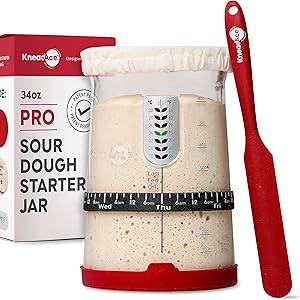
KNEADACE Pro Sourdough Bread Starter Kit - 34 oz Large Capacity Sourdough Starter Jar with 5 unique features for the perfect sour dough bread & sourdough starter kit - sourdough supplies (KA06)
$29.98 (as of 31/01/2026 13:50 GMT -03:00 - More infoProduct prices and availability are accurate as of the date/time indicated and are subject to change. Any price and availability information displayed on [relevant Amazon Site(s), as applicable] at the time of purchase will apply to the purchase of this product.)
Receive tips, news and exclusive offers! Sign up for our newsletter now!


